Wingbeat Blog

The most recent stories about our science and outreach work

  • 2018 California Fall Challenge a Big Success!

    By Outreach and Communications Director Kristin Butler
    Picture

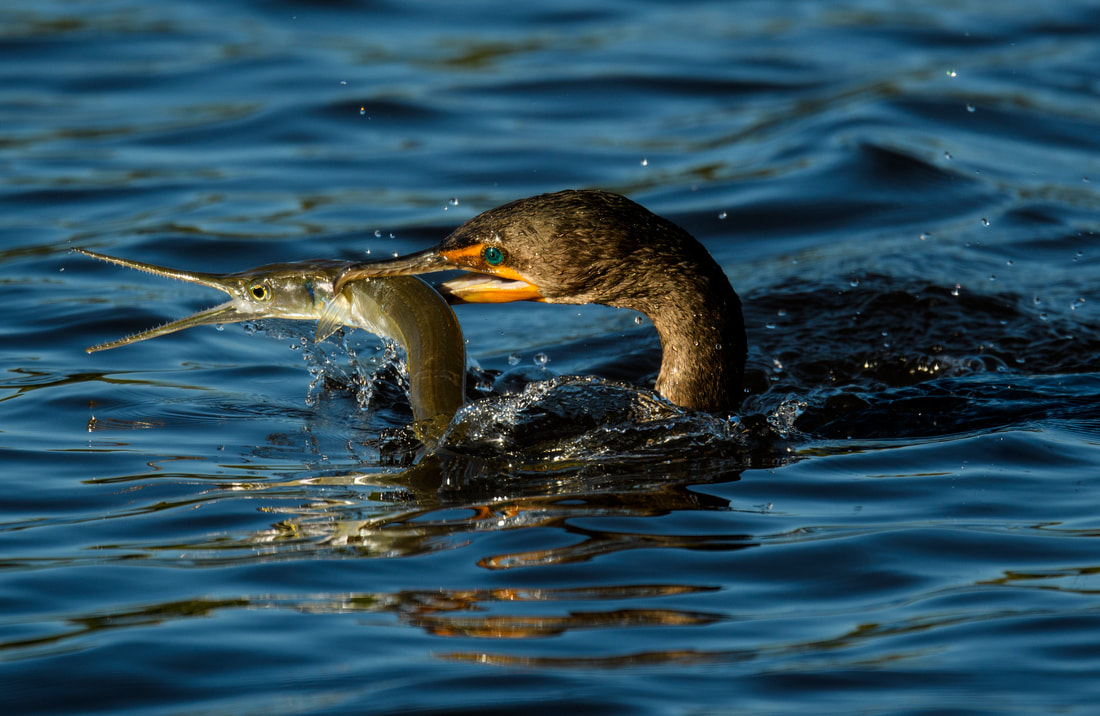
    ​Thanks to the hard work of our staff and volunteers, our 2018 California Fall Challenge was a huge success and we surpassed our goal to raise $30,000 for our avian science and outreach programs! Congratulations to Cookie Segelstein for winning the People’s Choice Award in our Click Off bird photo contest with her photo “Cormorant and …

    Read More


  • Dudley Carlson’s Kids Bird Book Recommendation – Books about Turkeys

    By Guest Blogger Dudley Carlson
    Picture

    ​With Thanksgiving almost upon us, how could we NOT read about turkeys?
     
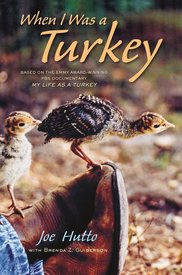
    “You have to see that PBS show about the turkey guy!” my brother insisted. And he was right. Naturalist Joe Hutto’s documentary When I was a Turkey about raising wild turkeys from rescued eggs to adulthood is a moving story. So I was delighted when it came out as a DVD and then as a book for middle-grade readers, complete with Hutto’s drawings and photographs. From a plowed field, thirty rescued eggs ​hatched into tiny poults that … 

    Read More


  • Designing the CFC T-Shirt: Tips from the Artist

    By Guest Blogger Julie Ho
    Picture

    Julie Ho is an exhibit and graphic designer at NUMU (New Museum of Los Gatos) and designed the artwork for this year’s California Fall Challenge T-Shirt. Below she shares the steps she took to create this year’s design and gives a little preview of the kinds of things she may be sharing during her “Sketching and Beer: Capturing Nature With Art” CFC workshop on Oct. 6th!

    The Sketch: This year’s t-shirt design is a marsh theme featuring a ​salt marsh harvest mouse (Reithrodontomys raviventris) and a …

    Read More


  • Learning to Appreciate The Bay’s Margins

    By Habitats Seasonal Ecologist Eric Lynch
    Picture

    ​I joined the SFBBO Habitats program as a seasonal (part-time) ecologist in the summer of 2016. At the time, I only had a vague understanding of the tidal marsh wetland-upland transitions the program works to restore. This was partly because most San Francisco Bay area residents overlook the Bay: the hills surrounding the bay are charismatic and relatively unblemished, while the margin of the bay often butts up against major freeways and sometimes smells funny. However, the Habitats Program soon taught me to appreciate this often overlooked resource. The boat trips we took to our different restoration sites …

    Read More


  • Please Donate Towels to Support Our ADPP Program

    By Waterbird Lead Biologist Victoria Heyse
    Picture

    ​It’s hard to believe that the Avian Disease Prevention Program season is half over! From June through November, we patrol Artesian and Guadalupe Sloughs by boat for the cities of San Jose and Sunnyvale who are required to monitor for avian botulism in order to release treated fresh water from their facilities. During these weekly boat surveys, I am joined by one or two volunteers, who help me by scooping up all the dead vertebrates and sick or injured birds we come across.

    We began monitoring the South Bay sloughs for avian botulism in 1982. Since then, there have been six large die-offs of waterbirds and …

    Read More


  • Cultivating Our Connection to Birds: Bringing Up More Young Birders

    By Guest Blogger Jeff Caplan
    Picture

    ​Last month, I lead a very enjoyable walk for SFBBO at Ulistac Natural Area in Santa Clara on Bird Language. As I looked around the circle of twenty students that day, I made an observation I often make on bird walks: we’re all over 50 old! Well, not quite. I noticed a few seeds of change: three parents had brought their teens.  

    “Is this going to be another boring walk just naming the birds we see?” muttered one teen before returning back to her cell phone. 

    Read More


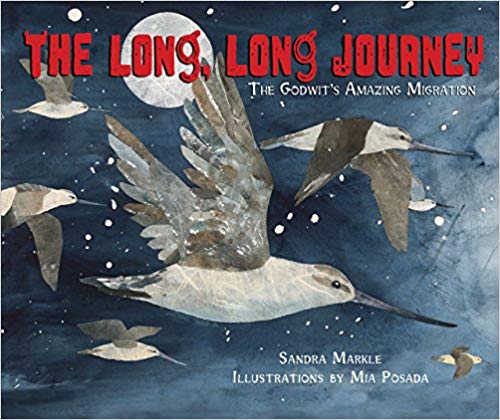
  • Dudley Carlson’s Kids Book Recommendation – The Long, Long Journey: The Godwit’s Amazing Migration

    By Guest Blogger Dudley Carlson
    Picture

    ​Bird migration is a puzzle for many children.  Why do they leave? Where do they go? How do they know when to do it, and how do they find their way? Only in the past century have scientists begun to understand this process, and only in recent years have tracking devices evolved to such an extent that they can precisely track an individual bird to learn more about … 

    Read More


  • A Quest for Cow-Resistant Cameras to Study Burrowing Owls

    By Landbird Lead Biologist Dan Wenny
    Picture

    ​Planes fly over Warm Springs heading north every 20 minutes and the cows there are apparently very itchy. Those are two of the unexpected insights we gleaned from the motion sensor cameras we use to record Burrowing Owl activity at Warm Springs in Fremont this year. It turns out that the camera posts, and the cameras themselves, are delightful scratching posts, at least for the cows. For one particular camera placed at Warm Springs last year, it took just a few hours for the cows to bend the post and dislodge the camera, leaving it on the ground facing …

    Read More


  • The Healing Power of Birding

    By Guest Blogger Mary Marsiglio
    Picture

    ​For the past several months, I have co-lead mindfulness birding walks with SFBBO for Veteran women who attend a residential trauma treatment program. Typically, they have experienced multiple types of trauma from different life stages as well as co-occurring issues such as depression, substance use, and chronic pain. Women often talk about a profound fear and disconnection from themselves, others, and the world around them as a result of their past traumatic experiences. Reconnecting requires willingness and  …

    Read More


  • Least Terns Making the Most of New Breeding Site

    By Plover Program Director Ben Pearl
    Picture

    ​During the 2018 breeding season, Federally Endangered California Least Terns returned to breed at Eden Landing Ecological Reserve in Hayward for the second year in a row! We were ecstatic for them to return, not only because Least Terns have limited breeding sites across their range, but also because past research, including our own monitoring in 2017, has indicated that Snowy Plovers benefit from nesting in close proximity to Least Terns.

    This is due to the aggressive “mobbing” defense that tern colonies employ whenever an avian predator approaches too close to the … 

    Read More