Wingbeat Blog

The most recent stories about our science and outreach work

  • SFBBO’s Colonial Waterbird Report Relaunches Bigger Than Ever!

    By Science Director Dr. Nathan Van Schmidt
    Picture

    ​For over four decades, SFBBO’s Colonial Waterbird Program has sent trained volunteers into the field each spring and summer to watch over the Bay Area’s nesting herons, egrets, cormorants, terns, and gulls. Our annual monitoring report has long been a cornerstone of that effort, combining all the data gathered by our hard-working volunteers on how these majestic birds are faring across the region. In 2020, we undertook a major overhaul of our monitoring protocols to streamline the monitoring protocol. That broke all our old analysis code, and the report went kaput. But that was well worth it for the on-the-ground tradeoff: new volunteers could be onboarded more easily, and more people than ever could participate in avian science! ​And did it ever grow substantially. In 2024, Audubon Canyon Ranch ended their long-running sister monitoring program in the North Bay, and we were able to step in and take the 44 colonies in Marin, Sonoma, Napa, and northern Contra Costa counties under our wing (pardon the pun). That scientific rescue effort required another two years of building relationships, training volunteers, and figuring out logistics before we were ready to publish again. But I’m thrilled to say: the report is back!
    Read More


  • SFBBO Wraps Up Massive Levee Planting Effort

    By Science Director Eric Lynch
    Picture

    SFBBO’s Habitats Team is wrapping up its initial planting of the roughly 2 miles of new levee just constructed at Don Edwards NWR in Alviso. The new levee, which is actually an old levee that was raised about 9 vertical feet, comprises Reaches 1-3 of the South San Francisco Bay Shoreline Project’s Flood Risk Management levee. This levee is designed to protect low-lying South Bay shoreline communities like Alviso from the increasing flood risk brought on by sea level rise. Once additional reaches of the levee are complete, it will also help facilitate the restoration of thousands of acres of former salt ponds to tidal marsh.

    Read More


  • Closing Out 2025 with a Bang – Plover and Tern Report

    By Science Director Maddy Schwarz
    Picture

    ‘Twas the day before New Year’s and all through the house, biologists were typing and rereading paragraphs aloud…
     
    It’s a cruel fact that projects are often due on the last day of the month, meaning that if it was a year-long project, it’s due on the last day of the year. Therefore, before you head out to your New Year’s Eve festivities, you must first cobble together whatever brainpower survived the onslaught of holiday cookies and poor sleep decisions during the week between Christmas and New Year’s and submit! that! final! report! While generally not anyone’s preferred New Year’s Eve activity, if you’re lucky, the project you’re finishing is interesting and worthwhile. The kind of project that makes you reflect on what you accomplished during the year, appreciate how much you learned, who you worked with, and how your efforts illuminated a new corner of the world you hadn’t considered before.

    Read More


  • The Story of the Marsh: The Marsh We Share

    ​By Guest Blogger Jesse Amital
    Picture

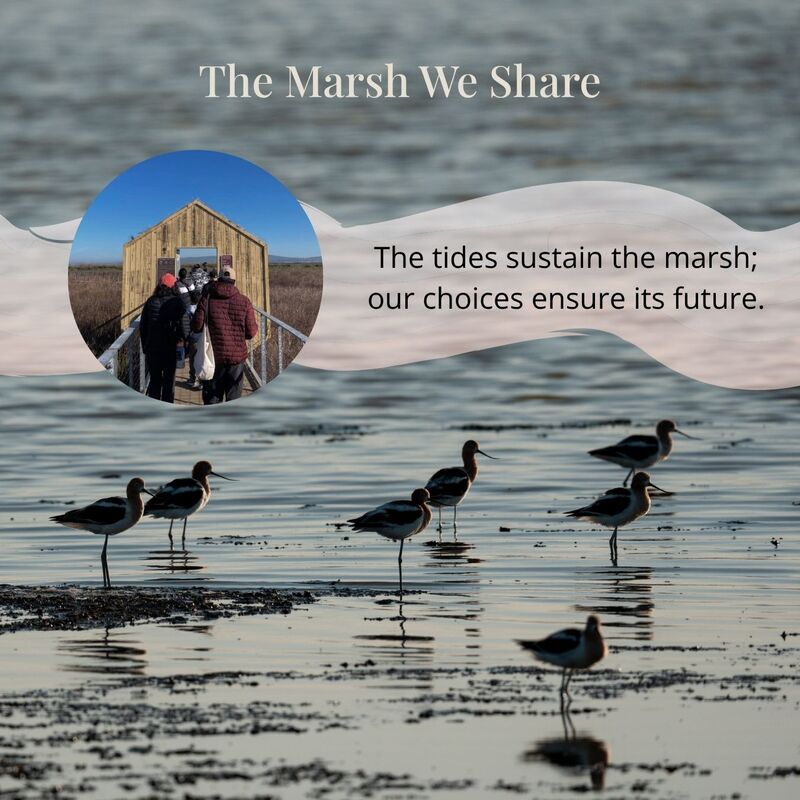
     As part of our ongoing work to connect people with the Bay’s natural landscapes, we’re sharing a series that explores the story of San Francisco Bay’s tidal marshes — their history, science, and the community efforts that keep them thriving.

    San Francisco Bay’s tidal marshes do more than shape the shoreline. They filter water, buffer nearby communities from storms, and store carbon that would otherwise contribute to a warming climate. These wetlands are also home to wildlife found nowhere else, including species specially adapted to life in the tides.

    Read More


  • The Story of the Marsh: Shelter for Vulnerable Species

    ​By Guest Blogger Jesse Amital
    Picture

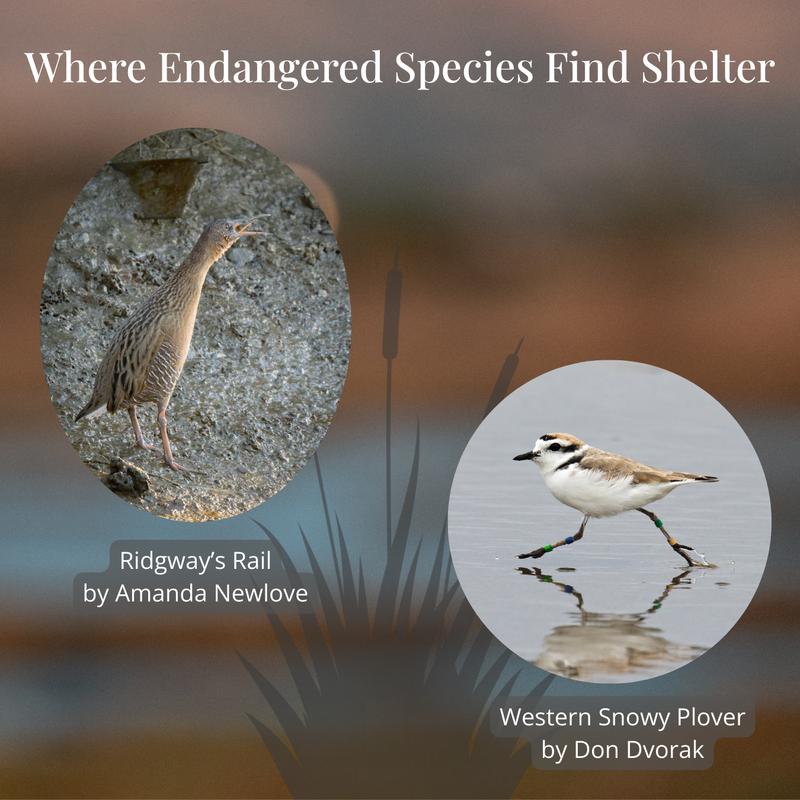
    As part of our ongoing work to connect people with the Bay’s natural landscapes, we’re sharing a series that explores the story of San Francisco Bay’s tidal marshes — their history, science, and the community efforts that keep them thriving.

    The Bay’s tidal marshes are humming with song and motion — and we’re working to help keep them that way. At Eden Landing Ecological Reserve, SFBBO’s restoration teams and partners are rebuilding habitat that endangered species depend on, including the Ridgway’s Rail, Salt Marsh Harvest Mouse, and Western Snowy Plover.

    Read More


  • The Story of the Marsh: Data, Dirt and Discovery

    By Guest Blogger Jesse Amital
    Picture

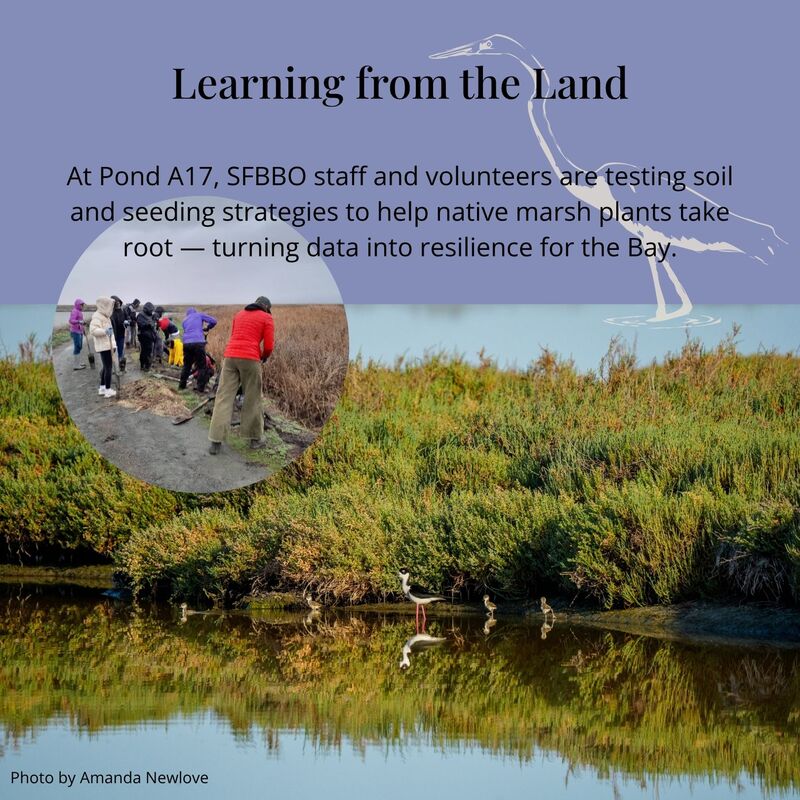
    As part of our ongoing work to connect people with the Bay’s natural landscapes, we’re sharing a series that explores the story of San Francisco Bay’s tidal marshes — their history, science, and the community efforts that keep them thriving.

    The marsh’s recovery is unfolding through a combination of science and stewardship, as recent projects show.

    At Pond A17, our team has been studying how different soil treatments and seeding techniques support native marsh vegetation.

    Read More


  • The Story of the Marsh: From Seeds to Roots

    By Guest Blogger Jesse Amital
    Picture

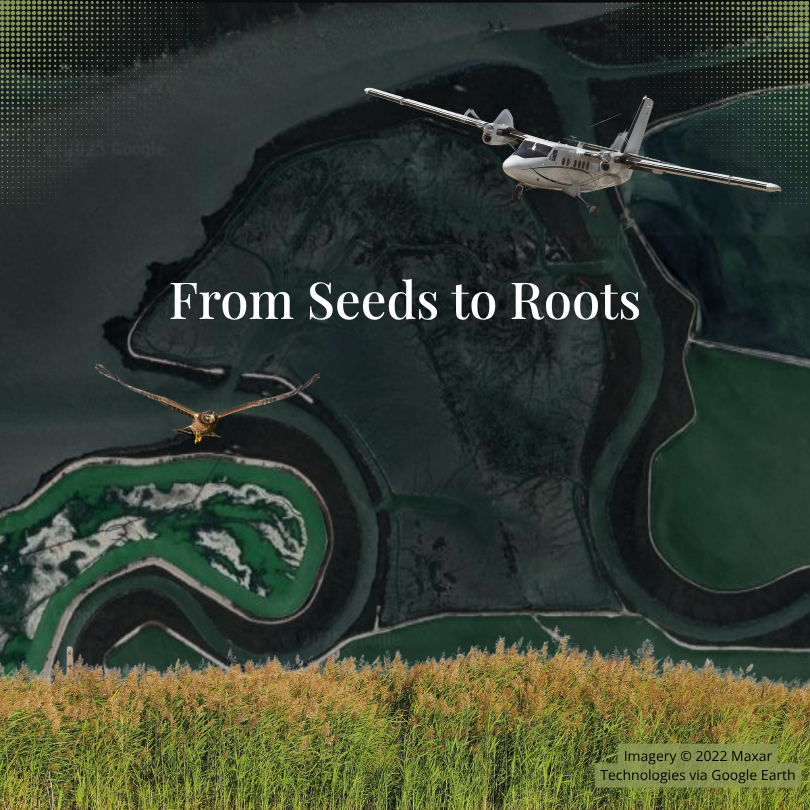
    As part of our ongoing work to connect people with the Bay’s natural landscapes, we’re sharing a series that explores the story of San Francisco Bay’s tidal marshes — their history, science, and the community efforts that keep them thriving.

    Our story with the marsh began at Pond A6. In 2010, we helped restore 330 acres of a former salt-production pond to tidal action, reopening the area to the natural ebb and flow of the Bay. We scattered native seeds across the newly restored marsh in an aerial seeding effort that helped jump-start plant growth and stabilize the soil. It worked: today, Pond A6 teems with life, from song sparrows trilling in the reeds to herons and rails hunting along the channels.

    Read More


  • The Story of the Marsh: From Salt to Sanctuary

    By Guest Blogger Jesse Amital
    Picture

    As part of our ongoing work to connect people with the Bay’s natural landscapes, we’re sharing a series that explores the story of San Francisco Bay’s tidal marshes — their history, science, and the community efforts that keep them thriving.

    Once salt flats — now a living marsh.

    For decades, the South Bay Salt Pond Restoration Project has been transforming former industrial salt ponds across the Bay into thriving tidal wetlands. These restorations turn salty, barren landscapes into dynamic ecosystems alive with water, vegetation, and the calls of nesting shorebirds.

    Read More


  • The Story Of The Marsh: The Beginning

    By Guest Blogger Jesse Amital
    Picture

    As part of our ongoing work to connect people with the Bay’s natural landscapes, we’re sharing a series that explores the story of San Francisco Bay’s tidal marshes — their history, science, and the community efforts that keep them thriving.

    Tidal marshes are the beating heart of San Francisco Bay — a Ramsar Wetland of International Importance that supports over a thousand animal species and protects our communities from floods and rising seas.

    Read More


  • Spring Community Outreach for Birds

    By Communications and Marketing Director Kristin Butler
    Picture

    This spring our staff and community outreach volunteers have been busy teaching about conservation science and advocating for birds at our Coyote Creek Field Station and at events in the wider community.

    ​This is part of our mission to engage communities in avian science, habitat restoration, and education. 

    ​We brought science to life at the Wildlife Society’s Earth Month Kickoff and engaged 118 visitors through interactive education about bird migration, sparking curiosity and dialogue about the importance of conservation. 

    Read More