Wingbeat Blog

The most recent stories about our science and outreach work

  • Black Over Aqua, Orange Over Yellow – A Snowy Plover Success Story

    By SFBBO Science Director Maddy Schwarz
    Picture

    Every year, SFBBO staff band close to 200 Western Snowy Plover chicks in an attempt to track individuals so we can assess survival and fledging rates. September is always an exciting time of year because the breeding season is over and large foraging flocks of juveniles are forming at the most popular ponds. This means staff have great opportunities to read lots of band combinations during one survey.

    Back in July, we banded a brood that had hatched on a levee in Eden Landing Ecological Reserve. While banding the chicks, the male associated with the nest did a great job defending his chicks by performing a broken wing display next to us repeatedly. 
    Read More


  • SFBBO Data Shows How Wildfire Smoke Impacts Birds

    By SFBBO Outreach and Communications Director Kristin Butler
    Picture

    As the incidence and intensity of wildfires continues to increase due to climate change and other factors, scientists are looking at long term data sets to understand the impact of these disasters on animals, including birds. 

    Recently, researchers used two decades of bird banding data collected at our Coyote Creek Field Station (CCFS) to investigate how wildfire smoke has influenced the capture rates and body condition of passerines or near-passerine bird species. 

    Read More


  • A Study on Phalarope Foraging Habits to Inform Phalarope Conservation

    By Director of Waterbird Science Nathan VanSchmidt
    Picture

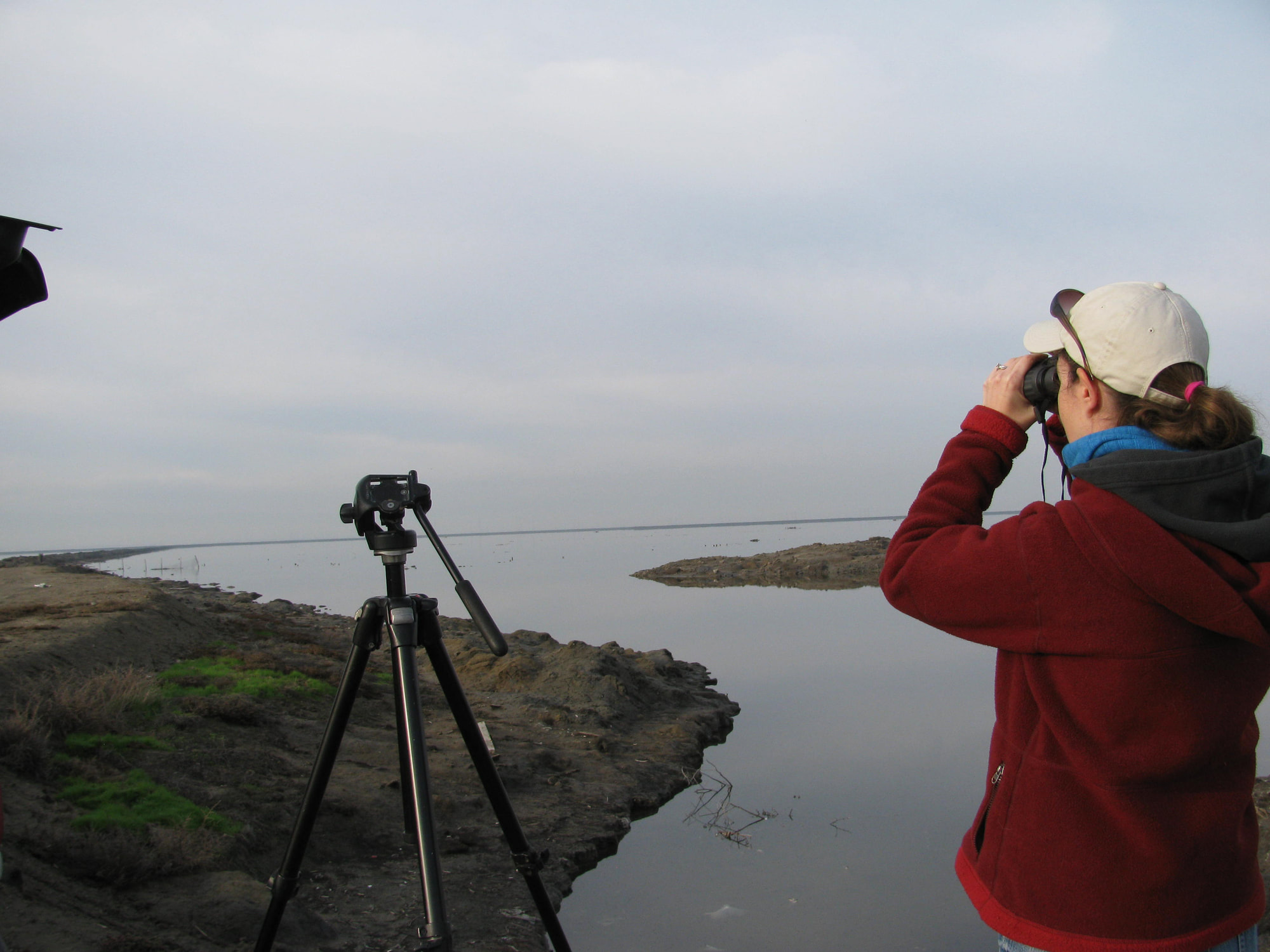
    SFBBO staff and volunteers are out in the current and former salt ponds of South San Francisco Bay and watching some of the most interesting shorebirds as they stop by during this summer migration: Wilson’s Phalaropes and Red-necked Phalaropes. Surveys undertaken over the past five years have found a species in a long-term ongoing population collapse, with contemporary counts 98% lower than the more than 40,000 birds observed in the 1980s and more than 50% lower than counts in the early 2000s.

    These unique saline-specialist shorebirds stop in San Francisco Bay–as well as saline lakes throughout the Great Basin like Mono Lake, Lake Abert, and the Great Salt Lake–to forage and fatten up early in migration before making the rest of the long trip to their wintering grounds in South America. 

    The most obvious explanation for their decline is that the transition of ponds managed for commercial salt production into lower-salinity ponds managed for wildlife under the South Bay Salt 

    Read More


  • CBS Covers SFBBO’s “Game-Changing” Work

    By Outreach and Communications Director Kristin Butler
    Picture

    For more than 40 years, SFBBO biologists and community science volunteers have studied passerines and other landbirds through bird banding research at our Coyote Creek Field Station (CCFS), which sits in the middle of an old restoration site in the South Bay.

    On March 2nd, Producer Molly McCrea from KPIX, a local affiliate of CBS News, visited our banding station to see our scientists and volunteers in action, talk about climate change, learn about our new Motus wildlife tracking technology, and capture video of the beautiful avian species we aim to protect. 

    Read More


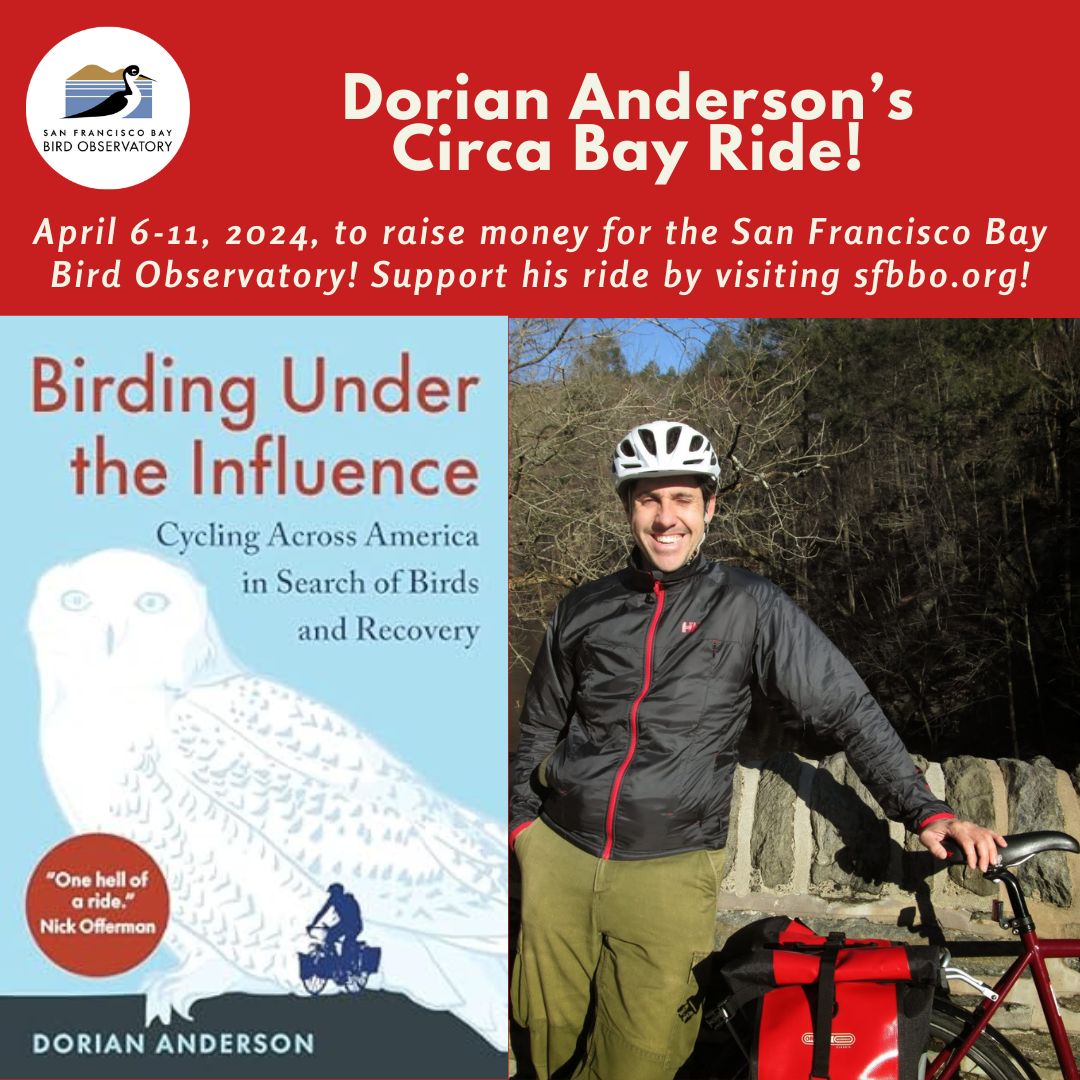
  • Dorian’s Circa Bay Ride Day 2

    By Guest Blogger Dorian Anderson
    Picture

    This is the second of a series of blog posts by Dorian recounting his six-day Circa Bay Ride around the San Francisco Bay to raise awarenes about the health benefits of birding and raise money for SFBBO’s 2024 Spring Appeal. During the first day of his ride, he led bird walks at Coyote Point in San Mateo and the Palo Alto Baylands Nature Preserve. 

    I’m sorry for the delay in sharing about my ride in Wingbeat! While I was able to crank out a post on April 6th, time shortages prevented follow-ups on subsequent days. In brief, I’ve spent each of the days between April 7th and 11th biking and birding from 7am to 7pm and spent each night engaging the hosts who put me up as I rounded the Bay. 

    Read More


  • Working for a Better Future for Phalaropes

    By Director of Waterbird Science Nathan Van Schmidt
    Picture

    ​On March 28th this year, I co-authored and signed a petition for the U.S. Fish and Wildlife Service to list Wilson’s Phalaropes as endangered under the Endangered Species Act. The petition was coordinated and submitted by the Center for Biological Diversity (read their press release here). 

    This work is a culmination of two decades of waterbird surveys biologists at the San Francisco Bay Bird Observatory have conducted in San Francisco Bay, including five years of focused summer phalarope surveys carried out with the help of our dedicated team of volunteer community scientists. In the 1980s, during days of peak migration San Francisco Bay had around 40,000 Wilson’s Phalaropes foraging on salt ponds here in order to gain enough fat reserves to continue their migration to wintering grounds to South America.

    Read More


  • Dorian’s Circa Bay Ride – Day One

    By Guest Blogger Dorian Anderson
    Picture

    This is the first of a series of blog posts by Dorian recounting his six-day Circa Bay Ride around the San Francisco Bay to raise awarenes about the health benefits of birding and raise money for SFBBO’s 2024 Spring Appeal. During the first day of his ride, he led bird walks at Coyote Point in San Mateo and the Palo Alto Baylands Nature Preserve. 

    Let’s state this up front – biking in crappy weather is not fun. And I speak from experience because I outlasted a lot of it during my 18,000-mile, transcontinental odyssey (aka “Biking for Birds’) in 2014!

    Read More


  • A Visit to Argentina for Phalarope Research

    By Science Director Nathan Van Schmidt
    Picture

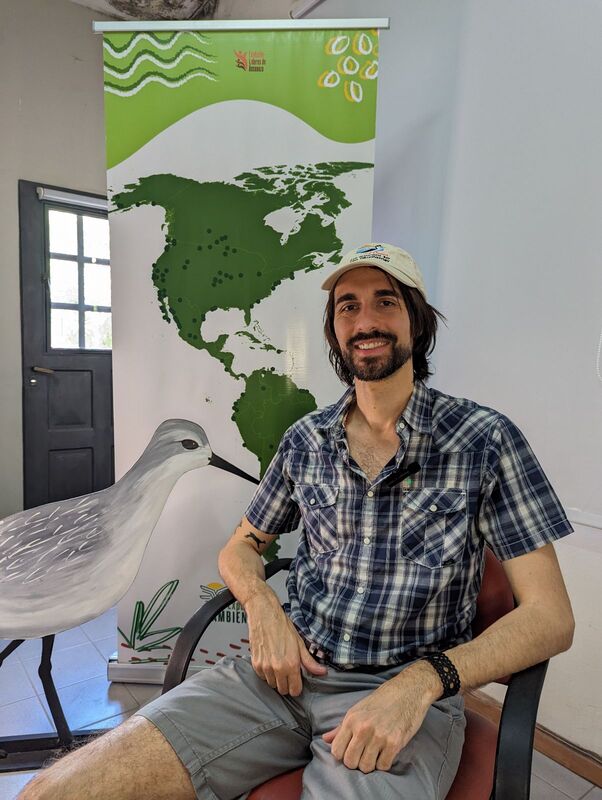
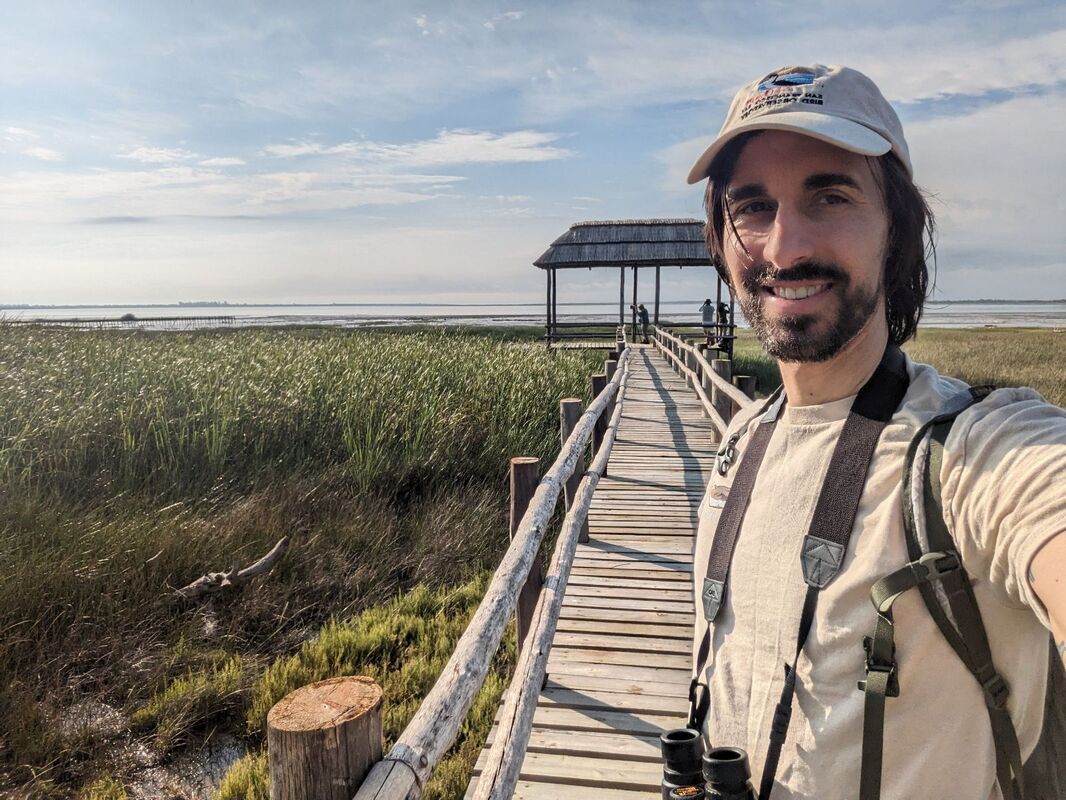
    ​Last month, I  returned from a trip to Argentina, where I met with scientists at the International Phalarope Working Group Meeting at Laguna Mar Chaquita, the main wintering ground for Wilson’s Phalaropes, where I had the chance to visit and survey for these interesting birds.

    ​At the bilingual meeting, phalarope researchers from across North and South America shared results from the past …

    Read More


  • On the Board Walk: Meet Bill Whitmer

    Picture

    ​I’m not a birder. My wife of nearly 57 years, Jan, is the family Sibley master. While I may not keep a life list, I’ve really enjoyed our many opportunities to appreciate birds and watch their behavior. Most recently, our annual trip to the Central Valley, once again, gave us the joy of watching the mating dance of a pair of Sandhill Cranes and up-close looks at a lovely pair of Hooded Mergansers and many other waterfowl.

    Read More


  • On the Board Walk: Meet Caroline Selfridge

    Picture

    ​One thing I love about the Bay Area is how easy it is to find beautiful places to walk. It’s fantastic that you can be in the middle of Silicon Valley and arrive so quickly at a woodland trail, a levee on the bay, or an open meadow dotted with oaks.
     
    Some of my favorite spots are the Sierra Azul and El Sereno Open Space Preserves in Los Gatos; Calero County Park in San Jose; and the Fremont Older ​Open Space Preserve in Cupertino.

    Read More