Wingbeat Blog

The most recent stories about our science and outreach work

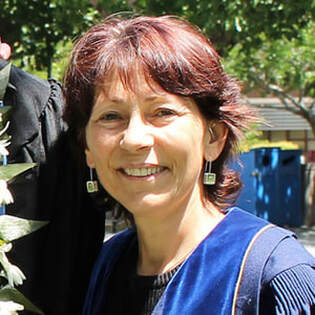
  • On the Board-Walk: Meet Shubha Tuljapurkar

    By Guest Blogger & SFBBO Board Member Shubha Tuljapurkar

    Picture
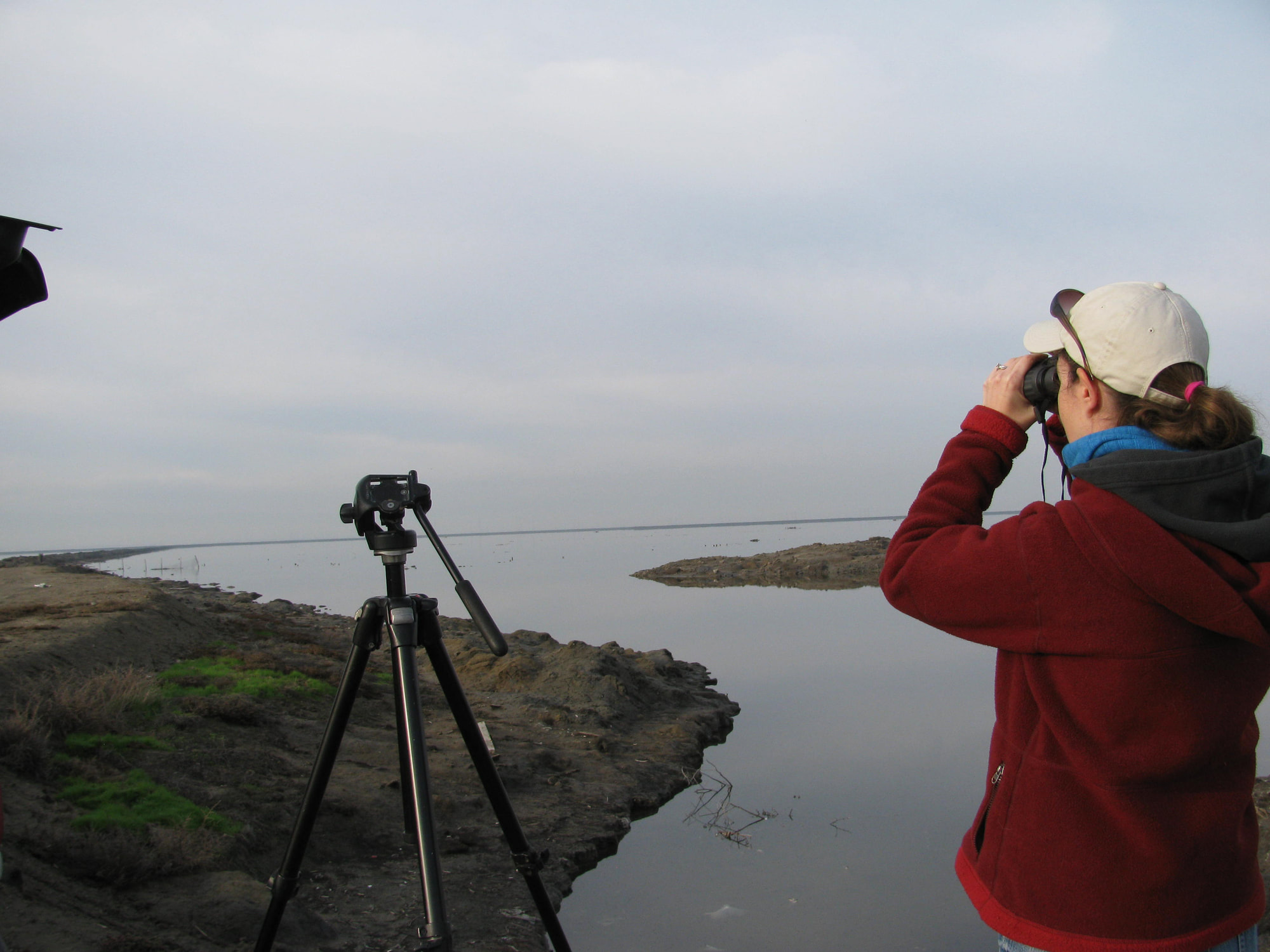
    As a nature photographer, I often visit the Don Edwards Wildlife Refuge in Alviso. Early one morning, I was photographing a crowd of Snowy Egrets, Great Egrets, and gulls feasting and frolicking at high tide. I marveled at how lucky I was to enjoy that sight within ten miles of where I lived, and that’s when it hit me. If we didn’t protect our habitats from the pressures of climate change and people, these birds may not be frolicking here in the future. I resolved to get involved.
     
    I looked for ways to leverage my background in marketing and management in the technology industry, and my previous leadership positions at several Bay Area start-ups and at nonprofit organizations promoting digital literacy at underserved schools in California.

    Read More


  • Young Author Works to Protect Nature

    By Guest Blogger Kelsey Sweetland
    Picture

    Every Saturday and Sunday morning, my family and I make waffles and play our favorite board games. We throw the doors to our forested backyard wide open and let the sound of the rustling oak trees, chirping birds, and warm sunlight filter into our house. We play games about space exploration, strategy, ancient civilizations, and much more. One day we bought a new board game called Wingspan. As we played, we learned about beautiful, colorful, and fascinating birds that live all around the world. This quickly became one of our favorite games, and we grew more aware of the woodpeckers, songbirds, and hawks living around us.

    I have loved nature from as early as I could remember. …

    Read More


  • 2022 Kids Bird Art Contest

    by Education and Outreach Specialist Sirena Lao
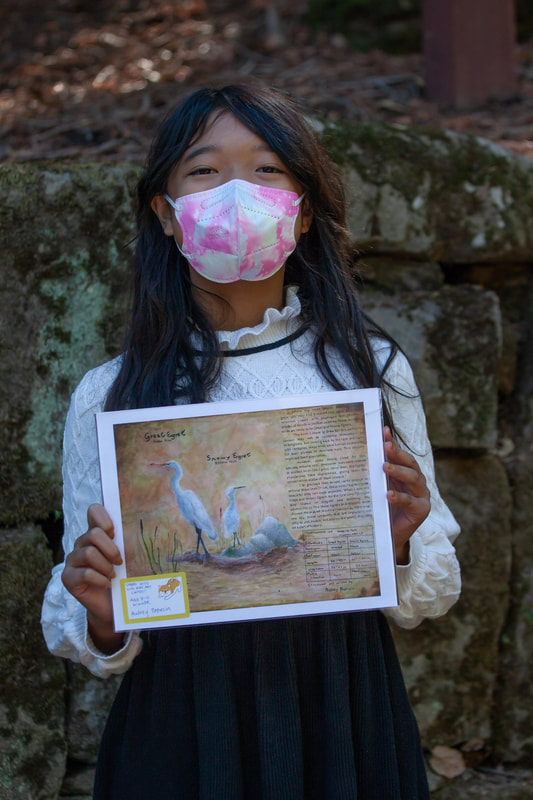
    A young girl holding up her bird artwork

    SFBBO’s Kids Bird Art Contest is a fun annual contest where we invite kids ages 3-17 to spend time outside, observe birds in nature, and record their observations in the form of art and writing. This year, to continue celebrating SFBBO’s 40th Anniversary, we asked kids to recall a memorable experience with birds in nature and to create a drawing and written story reflecting that encounter.

    We were incredibly impressed by the submissions! Many of the kids who participated demonstrated wonderful artistic skills and attention to detail, and many were also talented storytellers! We received 90 entries, and our judges loved seeing everyone’s artwork and reading the stories. We were happy to see that so many kids are noticing birds and have made meaningful connections with nature. Seeing that the next generation is inspired by nature makes us hopeful for the future of birds and their habitats!

    Read More


  • On the Board-Walk: Meet Lynne Trulio

    By Guest Blogger & SFBBO Board Co-Chair Lynne Trulio, PhD
    Picture
    I’m a South San Francisco Bay gal and a researcher who studies birds. For many years, there was very little research occurring in our region, which was very distressing to me. But, there was one research group working hard to understand the South Bay and educate people about its beauty—and that group was SFBBO! I naturally gravitated to SFBBO and learned about SFBBO’s many great programs including the colonial waterbird and avian disease programs, both of which continue today. 

    Another aspect of SFBBO that I have always thought was amazing is the Coyote Creek Field Station, a long-term bird banding station in Milpitas that is providing critical information on how resident and migrating birds are doing. As a professor at San José State University, I have brought my students to the field station, had them do research on the restoration of the habitat, and have graduate students who wrote master’ theses using bird banding data from the field station. 

    Read More


  • SFBBO Biologists Release Four Juvenile Snowy Plovers

    By Education and Outreach Specialist Sirena Lao
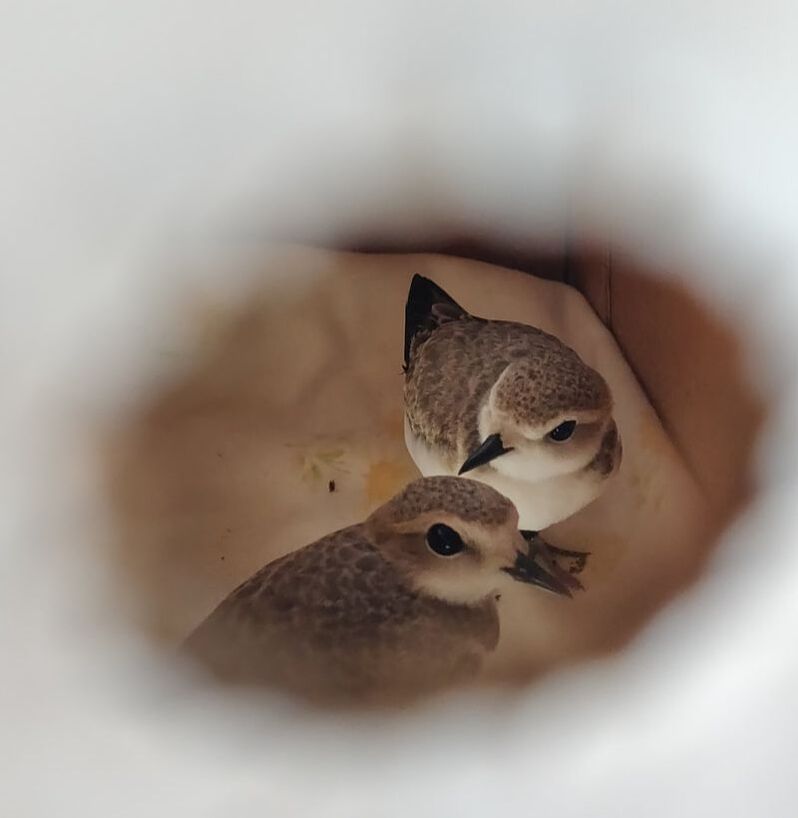
    Looking through one of the holes of the cardboard carrier, we can see two juvenile Snowy Plovers (small grayish-tan and white shorebirds) standing on a sheet in the carrier.

    This year has been eventful so far for Snowy Plovers and our biologists who study them here in the South San Francisco Bay. Western Snowy Plovers are small, pale shorebirds that breed along the Pacific Coast from Southern Washington to Baja California, as well as inland at alkali lakes. The Pacific Coast population of Western Snowy Plovers is federally listed as a threatened distinct population segment, with about 2,500 individuals. These birds typically breed on coastal sandy beaches, but with human development and disturbance, some birds have taken advantage of former salt evaporation ponds here in the Bay, a rather stark landscape that mimics salt panne habitat found in isolated areas of the coast and interior. These salt ponds now regularly support about 10% of the Pacific Coast population.

    Read More


  • Perry’s Journey Episode 10: Homecoming

    By Science Outreach Intern Katrina McCollough
    Picture

    Home sweet summer home. What was all this for? This comic, this journey? Why do birds like Perry fly thousands of miles, and why do some do it twice a year? How did they know where to go? And most importantly, why are migrating bird populations in decline?

    Click on “Read More” below to check out Episode Ten and learn about Perry’s homecoming as he completes his migration journey! Click here to read Episode 9.  

    Read More


  • Perry’s Journey Episode 9: All Wound Up

    By Science Outreach Intern Katrina McCollough
    Picture

    Perry is so close to the finish line but this could have been his last stop! For good! Perry accidentally got himself tangled in a pile of discarded fishing line. Once again, though, Perry lucked out, a human wandered by and, even more luckily, the human had a pair of scissors. Untangling birds is a difficult and stressful process (for both humans and birds), especially for people not trained or used to handling birds. Most birds are not so lucky though.

    Click on “Read More” below to check out Episode Nine and learn about the challenges Perry faces at the ninth leg of his journey and how you can help. Click here to read Episode 8Click here to read Episode 10.

    Read More


  • Perry’s Journey Episode 8: Stop, Drop, and Fly!

    By Science Outreach Intern Katrina McCollough
    Picture

    Anyone who’s experienced a house fire probably knows how Perry is feeling right now: scared, confused, lost, maybe hoping for the best for others who might be involved. Fires are a serious issue here in California, for birds and humans alike. Thanks to someone’s barn, Perry found a safe place to stay, miles from the fire, but not all animals are so lucky.

    Click on “Read More” below to check out Episode Eight and learn about the challenges Perry faces at the eighth leg of his journey and how you can help. Click here to read Episode 7. Click here to read Episode 9.

    Read More


  • Perry’s Journey Episode 7: All Dried Up

    By Science Outreach Intern Katrina McCollough
    Picture

    Perry followed the river north, a lot of birds use major geographical features like rivers and mountains while flying to orient themselves. But what to do when the river dries up? When lakes dry up and water is scarce and spread apart it’s a struggle for migrating birds. Drought and its impacts have become a very real, very scary thing for many of us.

    Click on “Read More” below to check out Episode Seven and learn about the challenges Perry faces at the seventh leg of his journey and how you can help. Click here to read Episode 6.  Click here to read Episode 8.

    Read More


  • Perry’s Journey Episode 6: Unwelcome Visitors

    By Science Outreach Intern Katrina McCollough
    Picture

    What kind of forest has Perry stumbled on this week? It’s green, but it’s empty: there’s no birds, no insects, nowhere to sleep, and no food. Perry finds nothing of interest to a Little Brown Bird in this ‘forest’ because it’s not a forest at all: it is an overgrown patch of Giant Cane (Arundo donax), an invasive species introduced to California in the 1820s. 

    Click on “Read More” below to check out Episode Six and learn about the challenges Perry faces at the sixth leg of his journey and how you can help. Click here to read Episode 5. Click here to read Episode 7. 

    Read More