
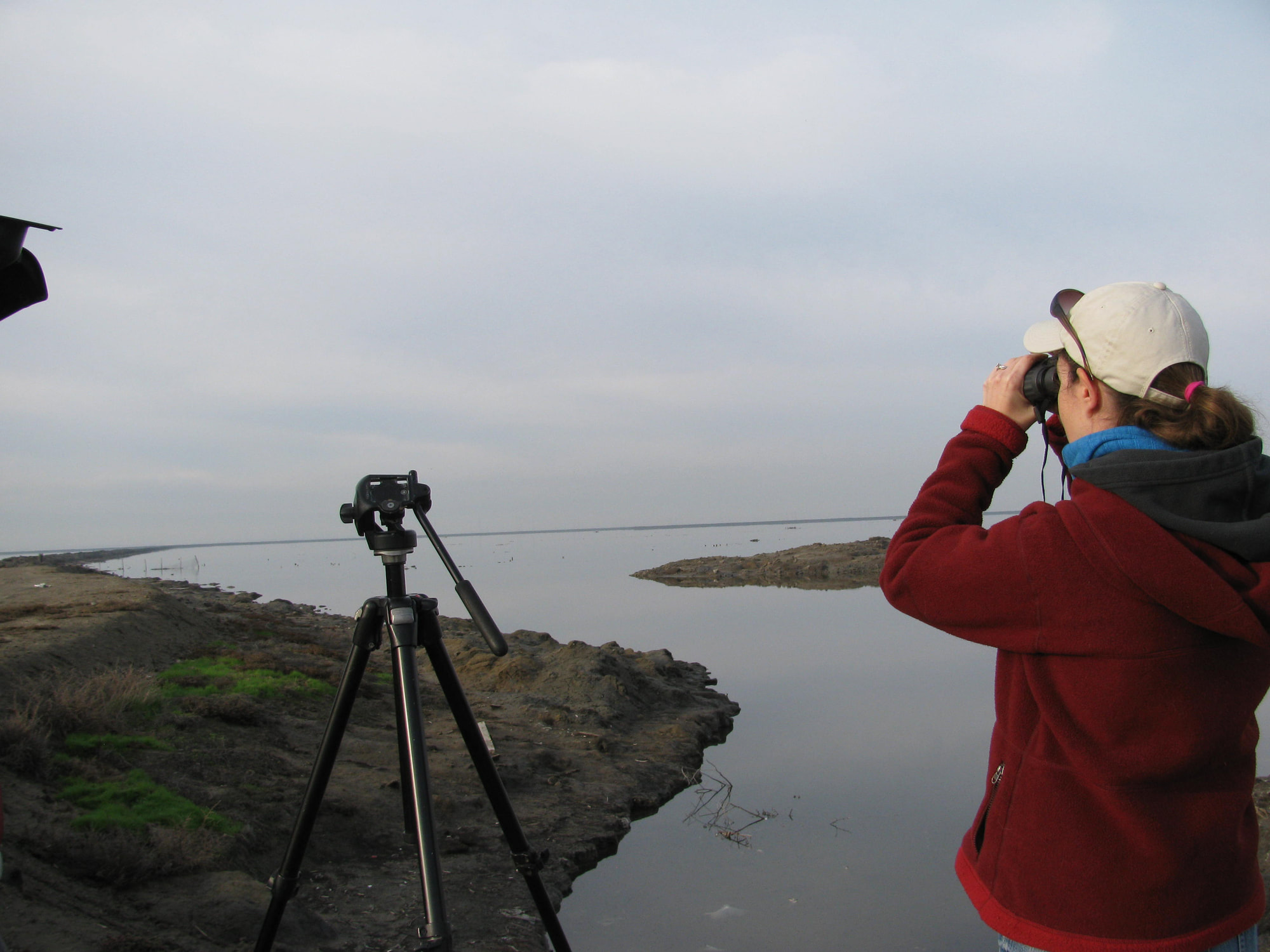

Perry followed the river north, a lot of birds use major geographical features like rivers and mountains while flying to orient themselves. But what to do when the river dries up? When lakes dry up and water is scarce and spread apart it’s a struggle for migrating birds. Drought and its impacts have become a very real, very scary thing for many of us.
Click on “Read More” below to check out Episode Seven and learn about the challenges Perry faces at the seventh leg of his journey and how you can help. Click here to read Episode 6. Click here to read Episode 8.

One thing that is important to understand is that periodic dryness is an entirely normal feature of the local climate in California. We are primarily classified as a chaparral habitat, chaparral is a shrubland plant community shaped by a Mediterranean climate with mild wet winters and hot dry summer, and infrequent, high-intensity crown fires. A drought, however, is classified as a prolonged period of abnormally low rainfall, leading to a shortage of water. (photo by Just Sullivan)

As you can imagine, when it comes to birds, the biggest impact is made on waterfowl species, but all birds are impacted in one way or another. What can you do to help? Having a shallow birdbath available is something we can do to help them on their migrations. On the hottest days a couple of ice cubes in the birdbath are probably appreciated by all.
Additionally, it is always important to try to conserve water. Like with paper production, big companies are the ones using the most, but we can always do our parts. One small thing you can do is save the water you use to boil your eggs to water your plants, a major thing would be investing in water-efficient showerheads, washing machines, and dish washers. Do any of you have suggestions for saving water?
It’s important we understand that just because birds can fly over it all, doesn’t mean they aren’t affected by what’s going on down here on the ground. The population of North American birds has dropped by nearly 30% since the 1970s, that is a total of almost 3 billion birds. Gone.
Birds are incredibly important to the balance of our ecosystems: they are essential as pollinators and for seed dispersal, particularly for native plants, and they feed on and help control a variety of critters we consider pests like insects and rodents. Bird studies teach us about climate and the environment, and the birds themselves are key indicators of environmental change. And, most simply, birds are beautiful, and they provide us with music and joy.
The protagonist of this story, Perry, is doing his part as a bird, migrating to his northern breeding location to hopefully pass on his little brown bird genes. It’s all he can do. Perry’s Journey illustrates the important journey of birds like him across the globe, who are doing their parts to help.
Migrating birds are disproportionately affected because they need not just one habitat, but multiple habitats that can serve as stopping points along their journeys. We call these migration corridors and it’s important that they are protected: for the birds’ sakes as well as our own. Birds like Perry can’t control what happens on the ground, or in the water and air, but we can. During Perry’s journey over the couse of ten posts, we will go into some of the main issues facing not just migrating birds, but all birds, and what you can do to help. To support SFBBO’s work to conserve birds and their habitats through science and outreach, please make a donation to our Spring Appeal!

Katrina McCollough is from the Bay Area and is a science outreach intern with SFBBO and the creator of Perry’s Journey. Her interest in birds stemmed from an internship she had at SFBBO’s Coyote Creek Field Station where she got firsthand experience working with the banders and volunteers at the station. That was the first time she ever held or released a bird, and she’s fallen in love with them since, and her favorite bird is the Bushtit. Previously, her interests were directed toward the ground, instead of the sky, hunting for mushrooms or insects. Katrina is currently a college student with a major in Biological Sciences, and she hopes to continue her schooling in mycology and bioremediation.